Dogs are among the most loved animals in the world. They protect homes, support families, help police teams, guide people with disabilities, and give emotional comfort to millions of owners. Still, many people search for the most deadliest dog in the world because they want to know which dog breed can be the most dangerous.
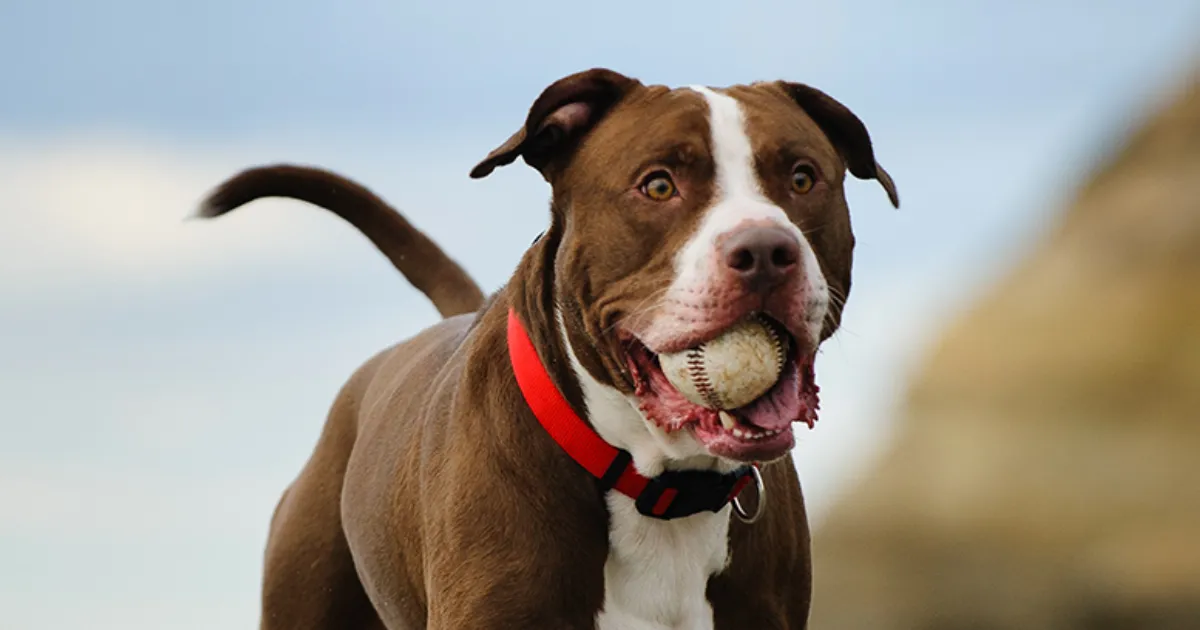
This question is common, but the answer is not as simple as naming one breed. A dog’s danger level depends on many things, including size, strength, breed traits, training, socialization, owner control, health, environment, and past behavior.
In many online discussions, pit bull-type dogs are often named as the most dangerous or deadliest dog type because they appear frequently in serious attack reports. However, it is important to understand this topic responsibly. Not every pit bull-type dog is dangerous, and not every dog from a “safe” breed is harmless.
A dog becomes dangerous when power, poor training, weak control, fear, stress, neglect, or aggression comes together. This article explains what is the most deadliest dog in the world, why some breeds are considered risky, and how owners can prevent dangerous situations.
The goal is not to spread fear. The goal is to share practical, safe, and balanced information.
Table of Contents
ToggleWhat Does “The Most Deadliest Dog in the World” Mean?
The phrase the most deadliest dog in the world is widely searched online, although the grammatically correct phrase would be the deadliest dog in the world or the most dangerous dog in the world.
People use this search phrase for different reasons. Some want to know which breed has the strongest bite. Some want to know which breed is linked with serious attacks. Others want to know which dogs are not suitable for first-time owners.
So, before giving an answer, it is important to understand the meaning behind the search.
What People Usually Want to Know
When people search this topic, they may be asking:
- Which dog breed causes the most serious injuries?
- Which dog has the strongest bite force?
- Which dog breed is most feared?
- Which dog is most dangerous for beginners?
- Which dog is best for guarding?
- Which are the world’s 10 most dangerous dog breeds?
- Which dog can cause the most harm if poorly trained?
These questions are related, but they are not the same.
A dog with a strong bite may not be involved in many attacks. A guard dog may be protective but not aggressive. A small dog may bite often, but it may not cause the same injury as a large, muscular dog.
That is why the most deadliest dog in the world depends on how danger is being measured.
Quick Answer: Which Dog Is Often Called the Most Deadliest?
The dog type most often mentioned as the most deadliest dog in the world is the pit bull-type dog.
This group may include:
- American Pit Bull Terrier
- American Staffordshire Terrier
- Staffordshire Bull Terrier
- American Bully
- Pit bull mixes
- Dogs visually identified as pit bull-type dogs
Pit bull-type dogs are strong, athletic, muscular, and determined. These traits can make them loving and loyal companions when trained properly. But if they are neglected, abused, poorly bred, or not controlled, they can become risky because of their strength.
Still, it is not fair to say every pit bull-type dog is dangerous. Many live peacefully with responsible families. The real concern is not just breed. It is breed plus ownership, environment, training, and control.
The Most Responsible Answer
A balanced answer is:
Pit bull-type dogs are often listed as the most deadliest dog in the world in serious attack discussions, but individual behavior depends on training, socialization, handling, health, and owner responsibility.
This answer is more accurate and safer than blaming an entire breed.
Why This Topic Matters
Understanding dangerous dog breeds matters because dog safety affects families, children, pet owners, neighbors, and communities.
Dogs are emotional animals. They can feel fear, pain, stress, excitement, and confusion. When people ignore their behavior or fail to train them properly, accidents can happen.
This topic is important because it helps people:
- Choose the right dog breed
- Understand breed-specific needs
- Prevent dog bites
- Teach children safe dog behavior
- Avoid careless ownership
- Recognize warning signs
- Respect powerful breeds
- Reduce fear-based misinformation
Dog bite prevention is not about hating certain breeds. It is about awareness, responsibility, and smart ownership.
Dangerous Does Not Mean Bad
A dog described as dangerous is not always a bad dog. In many cases, “dangerous” simply means the dog has the physical ability to cause serious harm if something goes wrong.
For example, a small dog may bite more often, but a large dog may cause more serious injury because of its size and jaw strength. A Kangal may be extremely powerful, but it was bred to protect livestock. A German Shepherd can be a service dog, police dog, or family dog, but it still needs training and structure.
This is why it is not enough to judge a dog only by reputation.
A dog’s risk depends on:
- Breed traits
- Physical strength
- Training quality
- Socialization
- Owner experience
- Living environment
- Health condition
- Past behavior
So, instead of asking only what is the most deadliest dog breed in the world, it is better to ask what makes a dog unsafe.
Main Factors That Make a Dog Dangerous
A dog usually becomes dangerous because of several combined factors. Breed can matter, but it is not the only reason.
Size and Strength
Large dogs can cause more serious injuries because they have more body power. A strong dog can pull a leash, knock someone down, or cause deep wounds if it bites.
This is why large breeds need firm handling, secure fencing, and proper obedience training.
Bite Force
Bite force is often discussed when people talk about dangerous dogs. Some breeds are known for powerful jaws, but bite force alone does not decide whether a dog is dangerous.
A strong dog with good training may never hurt anyone. A smaller dog with poor handling may bite more often.
Poor Training
Training gives a dog structure. Without training, a powerful dog may become hard to control.
Important commands include:
- Sit
- Stay
- Come
- Leave it
- Drop it
- Heel
- Place
These commands help owners manage dogs safely in daily life.
Lack of Socialization
Socialization teaches dogs how to behave around people, animals, sounds, vehicles, children, and new places. A dog that is not socialized may become fearful or reactive.
Fear is one of the common causes of biting.
Irresponsible Ownership
Owner behavior plays a huge role. A dog may become dangerous if the owner:
- Skips training
- Encourages aggression
- Uses harsh punishment
- Fails to use a leash
- Keeps the dog chained for long periods
- Ignores growling or snapping
- Allows unsafe behavior
- Does not secure the yard
Responsible ownership can reduce risk. Careless ownership can increase it.
Pain or Illness
A sick or injured dog may react differently. Pain can make a calm dog defensive.
If a dog suddenly becomes aggressive, the owner should consider a veterinary checkup.
Previous Aggressive Behavior
A dog with a history of biting, lunging, chasing, or guarding food aggressively needs professional support. Ignoring earlier warning signs can lead to serious incidents.
Dog Danger Factors Comparison Table
| Feature | Description | Benefit | Example |
|---|---|---|---|
| Breed Type | Natural traits and breed background | Helps owners understand behavior needs | Guarding breeds need structure |
| Size and Weight | Larger dogs can cause stronger impact | Helps families choose suitable breeds | Mastiffs need space and control |
| Bite Strength | Jaw power and bite pressure | Shows possible injury risk | Kangal is known for strong bite reputation |
| Training Level | Obedience, recall, leash manners, control | Reduces unsafe behavior | Sit, stay, come, leave it |
| Socialization | Exposure to people, places, sounds, and animals | Builds confidence and reduces fear | Puppy classes and calm introductions |
| Owner Control | Leash, fencing, supervision, commands | Prevents accidents | Secure yard and strong leash |
| Child Safety | Rules for children around dogs | Reduces home bite risk | Do not disturb sleeping dogs |
| Health Status | Pain or illness can change behavior | Helps detect sudden aggression | Vet check for behavior change |
| Legal Rules | Local restrictions for certain dogs | Helps avoid legal issues | Breed rules vary by location |
Top 10 Dangerous Dogs Often Discussed Worldwide
This list is not created to blame or shame any breed. It is a safety-based list of dog breeds often discussed because of their power, size, guarding nature, or serious attack reputation.
With responsible care, many dogs from these breeds can be loyal, calm, and loving.
Pit Bull-Type Dogs
Pit bull-type dogs are often the first answer when people ask about the most deadliest dog in the world. They are muscular, energetic, confident, and strong.
Many pit bull-type dogs are affectionate with families. However, if they are poorly trained, abused, neglected, or encouraged to behave aggressively, they can become dangerous.
Because of their strength, they need:
- Early training
- Proper socialization
- Strong owner control
- Daily exercise
- Safe containment
- Responsible handling
Rottweiler
Rottweilers are powerful, protective, and confident dogs. They were historically used for guarding and working with livestock.
A well-trained Rottweiler can be calm and loyal. But without training, it can become difficult to manage because of its strength and natural guarding instinct.
Rottweilers are better suited for owners who understand discipline, structure, and leadership.
German Shepherd
German Shepherds are intelligent, loyal, and highly trainable. They are often used in police work, security, military service, and search operations.
Because they are smart and active, they need mental and physical exercise. If they are bored or poorly trained, they may become reactive or overly protective.
With proper training, German Shepherds can be excellent working dogs and family companions.
Kangal
The Kangal is one of the strongest dog breeds in the world. It is a Turkish livestock guardian known for its size, courage, and powerful bite reputation.
Kangals were bred to protect animals from predators. They are not ideal for casual owners or small homes.
They need space, experience, and responsible handling.
Cane Corso
The Cane Corso is a large Italian mastiff breed. It is strong, serious, and protective.
This breed needs early training and confident ownership. A Cane Corso can be loyal and calm, but it can also become hard to control if the owner is inexperienced.
It is not a good choice for someone who wants a low-maintenance dog.
Presa Canario
The Presa Canario is a large and muscular breed from the Canary Islands. It has been used for guarding and working purposes.
Because of its power, this dog needs strong training, secure fencing, and experienced ownership.
A Presa Canario should never be chosen only for its appearance.
Doberman Pinscher
Dobermans are fast, alert, intelligent, and protective. They are often considered one of the best guard dog breeds.
A trained Doberman can be affectionate and loyal. Without proper handling, it may become nervous, defensive, or too protective.
This breed needs exercise, structure, and clear rules.
Wolfdog Hybrid
Wolfdog hybrids can be difficult to predict because they may carry both domestic dog traits and wolf-like instincts.
They are not suitable for most families. They may require special laws, secure containment, expert handling, and a controlled environment.
This is one of the most challenging dog types to own responsibly.
Chow Chow
Chow Chows are independent, strong-willed, and reserved. They are not always eager to obey commands, which can make training more difficult.
They need early socialization and calm, confident owners.
Poor handling may make a Chow Chow defensive.
Akita
Akitas are powerful, loyal, and protective dogs. They were historically used for guarding and hunting.
They can be affectionate with family but reserved with strangers. Akitas need careful socialization, strong training, and responsible supervision around other animals.
The World’s 10 Most Dangerous Dog Breeds: Safe Summary
People often search for the world’s 10 most dangerous dog breeds because they want a clear list. A responsible list should focus on safety, not fear.
Commonly discussed breeds include:
- Pit bull-type dogs
- Rottweiler
- German Shepherd
- Kangal
- Cane Corso
- Presa Canario
- Doberman Pinscher
- Wolfdog hybrid
- Chow Chow
- Akita
These breeds are often included because they can be strong, protective, independent, or challenging for beginners. This does not mean every dog from these breeds is unsafe. It means they need responsible ownership.
Dog Bite and Safety Statistics
Dog bite statistics help explain why safety education is important. However, statistics should be understood carefully because breed identification is not always accurate.
Here are safe and general dog safety points:
- Millions of dog bites are reported or estimated every year in the United States.
- Children are often among the most common victims of dog bites.
- Many dog bites happen in familiar settings, not always from unknown dogs.
- Fatal dog attacks are rare compared to the total number of dogs.
- Serious attacks are often linked with poor supervision, weak containment, or irresponsible ownership.
- Breed-specific numbers can be difficult to confirm because many dogs are mixed breeds.
- Prevention is more useful than fear-based breed judgment.
The key lesson is simple: dog safety depends on training, supervision, control, and education.
Why Breed Alone Is Not Enough
Breed can influence behavior, but it does not fully decide a dog’s future. Two dogs from the same breed can behave very differently depending on how they are raised.
Breed Can Affect These Traits
Breed may influence:
- Size
- Strength
- Energy level
- Guarding instinct
- Prey drive
- Confidence
- Trainability
- Reactivity
Breed Does Not Fully Decide These Things
Breed alone does not decide:
- Whether a dog will bite
- Whether a dog will be safe with children
- Whether a dog will become aggressive
- Whether a dog is good for a family
- Whether a dog can be trusted in public
- Whether a dog will listen to commands
A small dog can still bite. A large dog can be gentle. A powerful dog can be safe with training. A normally friendly breed can become dangerous if neglected.
This is why responsible ownership matters more than fear.
What Is the Most Dangerous Dog in the World in 2024?
Many people search for the most dangerous dogs in the world 2024 because they want the latest-style answer. In most online lists, pit bull-type dogs are still commonly placed first.
However, a better answer is:
The most dangerous dog is usually a powerful dog that is poorly trained, poorly socialized, badly controlled, neglected, abused, or placed with the wrong owner.
That dog could be a pit bull-type dog, Rottweiler, German Shepherd, Cane Corso, Presa Canario, Akita, or another strong breed.
Breed matters, but the owner’s responsibility matters just as much.
What Is the World’s Deadliest Dog?
The answer depends on what the person means by “deadliest.”
If they mean the breed most often discussed in serious attack reports, the answer is usually pit bull-type dogs.
If they mean strongest bite reputation, the Kangal is often named.
If they mean best protection dog, German Shepherds, Rottweilers, Dobermans, and Cane Corsos are often mentioned.
If they mean most risky for beginners, any powerful dog without proper training can be dangerous.
Simple Answer by Category
- Most discussed in serious attacks: Pit bull-type dogs
- Strongest bite reputation: Kangal
- Popular guard dog breeds: German Shepherd, Rottweiler, Doberman, Cane Corso
- Most risky for beginners: Any strong dog without training
- Most feared by reputation: Pit bull-type dogs, Rottweilers, Presa Canarios, mastiff breeds
Pros and Cons of Owning Powerful Dog Breeds
Powerful dogs can be excellent companions, but they are not suitable for every owner.
Pros
- Loyal and protective
- Strong bond with family
- Good watchdog ability
- Highly trainable with proper handling
- Great working potential
- Active and athletic
- Can be calm and loving when raised well
Cons
- Not ideal for careless owners
- Need early training
- Need regular socialization
- Can be hard to control physically
- May face legal restrictions
- Need secure fencing
- Require time, patience, and discipline
- Can cause serious harm if they bite
Before choosing a powerful breed, the owner should honestly ask whether they have enough time, experience, space, and control.
Common Beginner Mistakes That Make Dogs Unsafe
Many dog problems start with human mistakes. This is especially true with large and powerful breeds.
Choosing a Dog Only for Looks
Some people choose a breed because it looks strong, stylish, or impressive. This is a mistake.
A dog should be chosen based on lifestyle, experience, space, budget, and training ability.
Skipping Early Training
Training should not start after problems appear. It should begin as soon as the dog comes home.
Early training helps build respect, communication, and control.
Ignoring Socialization
A dog that does not meet different people, sounds, places, and situations may become fearful.
Fearful dogs may bark, lunge, hide, or bite when stressed.
Encouraging Aggression
Some owners enjoy when their dog looks scary, growls, or acts threatening. This is unsafe.
Aggression should never be encouraged for status, entertainment, or protection without professional control.
Leaving Dogs Alone With Children
Even friendly dogs need supervision around children. Children may unknowingly scare or hurt dogs by pulling ears, touching food, or hugging too tightly.
Adults should always teach children how to respect dogs.
Poor Leash Control
A strong dog must be manageable on a leash. If the owner cannot control the dog in public, the situation can become risky.
Leash training is essential for powerful breeds.
Ignoring Warning Signs
Dogs often show stress before biting.
Warning signs may include:
- Growling
- Freezing
- Hard staring
- Showing teeth
- Raised hackles
- Lip licking
- Moving away
- Snapping
- Stiff body posture
These signs should be taken seriously.
How to Stay Safe Around Powerful Dogs
Safety around dogs starts with calm behavior and respect.
To reduce risk:
- Do not approach unknown dogs without permission.
- Do not touch a dog while it is eating.
- Do not disturb a sleeping dog.
- Do not tease, chase, or corner a dog.
- Teach children not to hug unknown dogs.
- Keep your dog leashed in public.
- Use secure fencing at home.
- Train your dog with consistent methods.
- Socialize puppies safely.
- Watch dog body language.
- Visit a vet if behavior changes suddenly.
- Contact a qualified trainer for aggression issues.
Most dog bites can be reduced through awareness and prevention.
What Sounds Do Dogs Fear?
Dogs may fear loud, sudden, or unfamiliar sounds. Fear can make a dog hide, shake, bark, run away, or act defensively.
Common sounds dogs may fear include:
- Fireworks
- Thunder
- Sirens
- Vacuum cleaners
- Construction noise
- Loud shouting
- Metal clanging
- Gunshot-like sounds
- Loud traffic
If a dog is scared, do not force it toward the sound. Give it a quiet space and stay calm.
What Dog Is Known as the Wolf Killer?
The Kangal is often called a wolf-protection dog because it was bred to guard livestock from predators.
Other livestock guardian breeds with similar protective backgrounds include:
- Anatolian Shepherd
- Caucasian Shepherd
- Central Asian Shepherd
- Great Pyrenees
This does not mean these dogs should fight wolves or other animals. It simply means they have strong guarding instincts and need experienced handling.
Which Dog Has the Highest IQ?
The Border Collie is widely considered one of the smartest dog breeds because of its working intelligence and obedience ability.
Other intelligent breeds include:
- Poodle
- German Shepherd
- Golden Retriever
- Doberman Pinscher
- Shetland Sheepdog
- Labrador Retriever
However, a smart dog is not always easy. Intelligent dogs need training, exercise, mental games, and daily engagement.
What Dog Can Beat a Pitbull?
This question is often asked online, but it should be answered carefully. Dog fighting is cruel, unsafe, and illegal in many places. Dogs should never be compared for fighting.
If the question is about physical size or strength, some larger breeds may be stronger or heavier than many pit bull-type dogs.
Examples include:
- Kangal
- Cane Corso
- Rottweiler
- Presa Canario
- Boerboel
- Mastiff-type dogs
But responsible dog ownership is not about fighting. It is about safety, training, care, and control.
What Is the Best Guard Dog?
There is no single best guard dog for every home. The right choice depends on the owner’s experience, home setup, training ability, and local laws.
Common guard dog breeds include:
- German Shepherd
- Rottweiler
- Doberman Pinscher
- Cane Corso
- Belgian Malinois
- Bullmastiff
- Giant Schnauzer
- Akita
- Boerboel
A guard dog must be trained properly. Without training, a guard dog can become a danger instead of protection.
Safe Ownership Tips for Strong Dog Breeds
Owning a powerful breed is a serious responsibility. These dogs need structure, time, and control.
Start Training Early
Begin training as soon as the dog enters your home. Basic commands create control and safety.
Useful commands include:
- Sit
- Stay
- Come
- Leave it
- Drop it
- Heel
- Place
These commands can prevent unsafe situations.
Use Positive Reinforcement
Reward good behavior with praise, treats, toys, or attention. Harsh treatment can create fear and aggression.
Calm and consistent training is safer and more effective.
Socialize Slowly and Safely
Introduce your dog to new people, safe animals, sounds, vehicles, and places. Keep every experience controlled and positive.
Socialization helps dogs become confident instead of fearful.
Use Strong Containment
Powerful dogs need secure yards, strong gates, proper leashes, and supervision. Good management prevents accidents.
Respect the Dog’s Boundaries
If a dog looks uncomfortable, give it space. Do not force interaction.
Respecting body language helps prevent bites.
Get Professional Help Early
Do not wait for a serious bite. If a dog growls, snaps, lunges, or guards food aggressively, contact a vet or qualified trainer.
Early help can prevent bigger problems.
Internal Linking Suggestions
You can add internal links to related articles such as:
- Best guard dogs for families
- How to train a large dog safely
- Dog bite prevention tips for children
- Best dog breeds for first-time owners
- Pit bull safety and ownership guide
- Rottweiler training tips
- German Shepherd care guide
- Strongest dog breeds in the world
- How to socialize a puppy
- Dog body language warning signs
External Resource Suggestions
For better trust and EEAT, you can link to reputable topics such as:
- Veterinary dog bite prevention resources
- Animal behavior organization guides
- Kennel club breed profiles
- Public health dog safety pages
- Local animal control laws
- Humane society dog safety information
Frequently Asked Questions
What is the 1 most dangerous dog in the world?
Pit bull-type dogs are often listed as the number one dangerous dog type in serious attack discussions. However, breed alone does not prove that every individual dog is dangerous.
What is the no. 1 strongest dog?
The Kangal is commonly named as one of the strongest dogs because of its size, guarding history, and powerful bite reputation.
What sounds do dogs fear?
Many dogs fear fireworks, thunder, sirens, vacuum cleaners, construction noise, loud shouting, and sudden metallic sounds.
Which are the top 10 dangerous dogs?
The commonly discussed top 10 dangerous dogs include pit bull-type dogs, Rottweiler, German Shepherd, Kangal, Cane Corso, Presa Canario, Doberman Pinscher, wolfdog hybrid, Chow Chow, and Akita.
What is the highest killing dog?
In many U.S.-focused discussions, pit bull-type dogs are most often linked with fatal dog attack reports. However, breed identification problems and missing population data can affect reporting.
Which dog has no. 1 IQ?
The Border Collie is widely considered one of the smartest dog breeds because of its working intelligence and obedience ability.
What dog can beat a pitbull?
This question should not encourage dog fighting. Some larger breeds may be physically stronger than many pit bull-type dogs, but responsible ownership focuses on safety, not fighting.
What dog is known as the wolf killer?
The Kangal is often known as a wolf-protection dog because it was bred to guard livestock from predators.
Which dog is the most feared?
Pit bull-type dogs, Rottweilers, Presa Canarios, and large mastiff breeds are often feared because of their strength and reputation. However, every dog’s behavior depends on training, care, and handling.
What is a no. 1 guard dog?
German Shepherds, Rottweilers, Dobermans, Cane Corsos, and Belgian Malinois are among the best-known guard dogs. The best choice depends on owner experience and training ability.
What is the most deadliest dog breed in the world?
Pit bull-type dogs are most often named when people ask this question. However, the answer depends on whether you mean serious attack reports, bite force, guarding ability, or beginner risk.
Show me the most deadliest dog in the world: which breed is usually shown?
Most search results show pit bull-type dogs for this phrase. However, Kangals, Rottweilers, Cane Corsos, and Presa Canarios also appear in dangerous dog breed lists.
Conclusion
The phrase the most deadliest dog in the world usually refers to pit bull-type dogs in online searches and serious attack discussions. But a responsible answer should not blame breed alone.
A dog becomes dangerous when strength, poor training, weak control, fear, neglect, aggression, or careless ownership come together. Powerful breeds such as pit bull-type dogs, Rottweilers, Kangals, German Shepherds, Cane Corsos, Presa Canarios, Dobermans, and Akitas can be loyal and loving with the right owner. In the wrong environment, they can become serious risks.
The safest approach is simple: choose the right breed, train early, socialize properly, supervise children, use secure containment, understand dog body language, and seek professional help when needed.
A safe dog is not created by chance. A safe dog is created by responsible ownership.