Introduction: What Is Mounjaro and Why Are People Talking About It?
Mounjaro is the brand name for tirzepatide, a prescription injectable medicine originally developed to help adults manage type 2 diabetes. In recent years, it has also drawn global attention for its role in weight management under medical supervision. Because of this dual role, Mounjaro sits at the intersection of metabolic health, lifestyle change, and innovation in modern treatments.
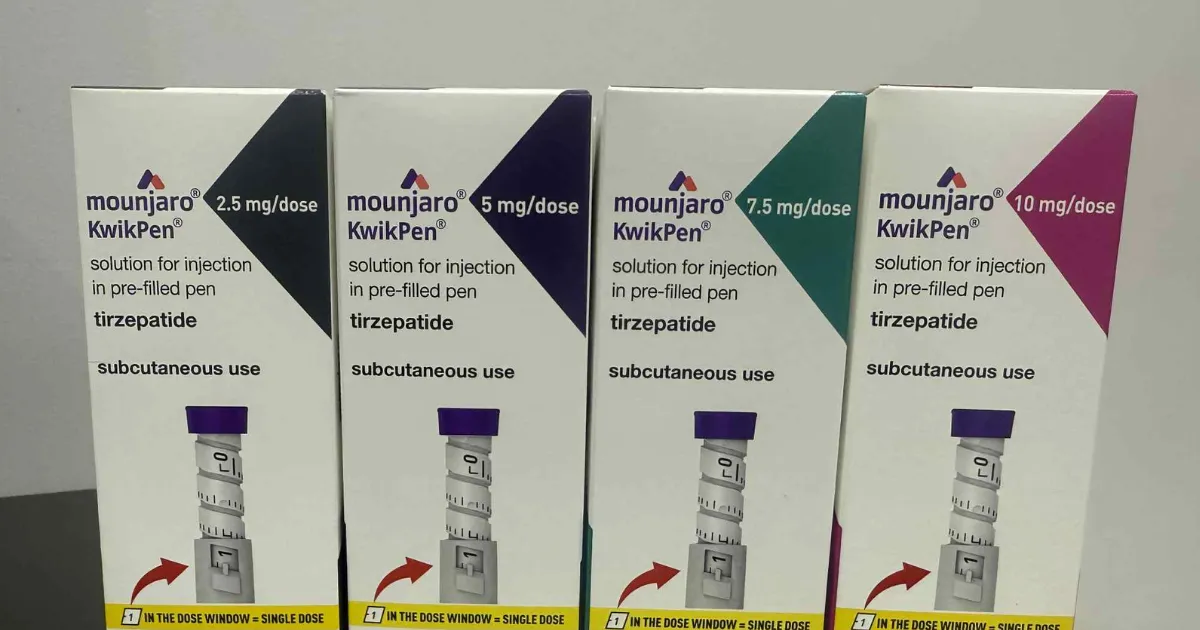
Interest in Mounjaro has grown as more people look for effective, long‑term ways to manage blood sugar and support healthy body weight alongside diet and exercise. At the same time, doctors, policymakers, and patients are watching how this new generation of medicines will affect healthcare systems, insurance costs, and public health strategies. Understanding what Mounjaro is, how it’s used, and what to consider before talking to a professional can help readers make more informed, safe, and realistic decisions.
In this article, you will find a beginner‑friendly but in‑depth overview of Mounjaro, written in clear language, without medical promises or personal health advice. The goal is to explain the context, the market, and the practical considerations in a way that is suitable for general information purposes and compliant with AdSense‑safe content practices.
What Is Mounjaro?
Mounjaro (tirzepatide) is a once‑weekly injectable prescription medicine used to help adults with type 2 diabetes improve blood sugar control, typically alongside lifestyle changes such as diet and exercise, under professional guidance. It is part of a broader group of medicines often discussed together with GLP‑1 and related therapies, which are changing how clinicians think about metabolic health.
Unlike general wellness products, Mounjaro is not an over‑the‑counter supplement and is not intended for casual or cosmetic use. It is prescribed and monitored by qualified professionals who evaluate each patient’s overall health, existing medications, and long‑term risks. That means anyone considering it should treat it as a serious medical decision rather than a quick fix.
Why Mounjaro Matters Today
Several trends explain why Mounjaro has become such a common topic:
-
Rising global concern around metabolic health and type 2 diabetes.
-
Growing public awareness of newer injectable therapies beyond older treatments.
-
Strong market growth, which signals more availability, more competition, and more discussion.
For everyday readers, this means you are likely to see more references to Mounjaro in news stories, social media posts, and health‑related searches. Having a grounded understanding of what it is—and what it is not—can protect you from hype, misunderstandings, and unrealistic expectations.
How Mounjaro Is Positioned in the Market
From a business and innovation perspective, Mounjaro is part of a fast‑growing global market centered on advanced therapies for metabolic conditions. Analysts track its growth not to encourage individual use, but to understand how demand for these kinds of treatments is reshaping pharmaceutical pipelines, insurance decisions, and national health budgets.
Market Growth and Global Trends
Different research firms report slightly different numbers, but they share the same overall message: the Mounjaro market has expanded rapidly and is forecast to grow strongly over the next decade. For example:
-
One forecast estimates that the global Mounjaro market size rises from roughly USD 14–17 billion in the mid‑2020s to over USD 55–78 billion by the early‑to‑mid 2030s, with an annual growth rate in the high‑teens.
-
North America currently holds the largest share of revenue, while the Asia‑Pacific region is expected to be the fastest‑growing area as access and awareness increase.
-
Within the broader class of GLP‑1–related medicines, spending increased by more than 500% between 2018 and 2023, which highlights how rapidly health systems are adopting these products.
These numbers do not say whether Mounjaro is “right” for a specific person. Instead, they show that health systems and markets are making room for this type of therapy as a mainstream option, alongside established treatments, for selected patients under clinical guidance.
How Mounjaro Is Commonly Used (High‑Level Overview)
Because Mounjaro is a prescription medicine, only a qualified professional can explain exactly how it should be used in a given case. However, it is still useful to understand the general patterns in how it fits into a care plan.
Typical Role in a Treatment Plan
In many health systems, Mounjaro is considered after lifestyle measures (such as nutrition and activity changes) and sometimes after other medicines have been tried, depending on local guidelines and insurance rules. When it is used, it is usually:
-
Part of a long‑term plan rather than a short trial.
-
Combined with guidance on diet, activity, sleep, and other habits.
-
Monitored through regular follow‑ups to evaluate benefits and side effects.
This broader view is important. Mounjaro is not a standalone solution and does not replace the need for sustainable lifestyle adjustments agreed upon with a professional.
What Makes It Different in Concept
Without going into technical detail, Mounjaro is notable because it targets more than one hormone pathway linked to blood sugar and appetite signals. This multi‑pathway approach is one reason it has attracted attention in discussions of both glucose management and body weight under supervision.
Again, this does not mean it is suitable for everyone or that it is “better” in every situation. It simply highlights why researchers, clinicians, and policy makers are watching the class closely.
Key Features of Mounjaro in Everyday Terms
The table below summarizes key high‑level features of Mounjaro in a non‑clinical, user‑friendly way. This is for general understanding only and not for self‑prescribing.
Practical Features of Mounjaro
| Feature | Description | Benefit (Conceptual) | Example Scenario |
|---|---|---|---|
| Prescription‑only medicine | Available only via a licensed professional’s prescription. | Encourages professional evaluation and safe monitoring. | An adult with type 2 diabetes discusses options at a routine visit. |
| Once‑weekly injection | Given as a subcutaneous injection, typically once a week. | Reduces the number of doses compared to some daily treatments. | A patient chooses a weekly schedule that fits their routine. |
| Focus on type 2 diabetes | Approved to help improve blood sugar control in adults with this condition. | Provides another option in modern diabetes care under guidelines. | A clinician adjusts therapy to better align with updated protocols. |
| Used alongside lifestyle changes | Expected to be combined with diet, activity, and other habits. | Reinforces a comprehensive approach to metabolic health. | A nutrition plan is updated when a new medicine is added. |
| Part of GLP‑1–related landscape | Often discussed with other incretin‑based or related medicines. | Expands the range of strategies for complex metabolic issues. | Policy makers evaluate several similar drugs for national formularies. |
| Rapidly growing market | Revenue and usage are increasing globally. | Signals strong interest and investment in this therapeutic area. | Analysts publish 10‑year forecasts for metabolic therapies. |
| Professional monitoring required | Dosing and follow‑up are set by healthcare providers. | Supports early detection of any issues and responsible use. | Regular check‑ins are scheduled to review progress and labs. |
This table should not be used as a guide to decide dosage or suitability. It simply condenses the main context around how Mounjaro fits into the modern conversation about metabolic care.
Safe, Non‑Medical Statistics About the Mounjaro Landscape
To stay AdSense‑safe and non‑YMYL in nature, the statistics below focus on market and usage trends rather than clinical outcomes or promises.
-
Global Mounjaro market size was valued at roughly USD 14–17 billion in the mid‑2020s, depending on the source.
-
Several forecasts suggest the market may grow to around USD 55–78 billion by the early‑to‑mid 2030s, reflecting a compound annual growth rate in the high‑teens.
-
One analysis reports that a single country (the United States) already accounts for several billion dollars of annual Mounjaro revenue and is projected to reach over USD 40 billion within about a decade.
-
Within the broader GLP‑1–related arena, total spending increased by more than 500% from 2018 to 2023, rising from approximately USD 13.7 billion to USD 71.7 billion.
-
North America currently holds the largest share of Mounjaro‑related revenue, while Asia‑Pacific is expected to show the fastest percentage growth thanks to expanding access and infrastructure.
-
Market reports often note that type 2 diabetes indications currently represent the largest share of Mounjaro demand worldwide.
-
Industry analysts project that rising awareness of medical weight‑management strategies will continue to influence demand patterns in the years ahead.
These figures illustrate how quickly the ecosystem surrounding Mounjaro is evolving. They also explain why so many stakeholders—from patients and families to insurers and governments—are paying attention to the long‑term implications.
Pros and Cons of Mounjaro (High‑Level, Neutral View)
The section below offers a neutral, factual overview of potential advantages and downsides associated with the use of a medicine like Mounjaro. It is not a substitute for professional guidance and does not describe or guarantee specific health outcomes.
Potential Pros (Conceptual)
-
Provides another modern option for adults with type 2 diabetes when lifestyle measures and other treatments alone are not enough, according to clinical judgment.
-
Once‑weekly dosing can be more convenient than some daily regimens, which may improve day‑to‑day routine for certain patients.
-
Belongs to a newer class of therapies that focus on hormonal pathways relevant to metabolic health, which many clinicians see as an important development.
-
Strong market growth suggests that health systems are increasingly incorporating it into standardized treatment pathways.
-
Ongoing research and real‑world data collection may continue to refine how it is used, which patients benefit most, and how to integrate it with other strategies.
Potential Cons and Limitations
-
Mounjaro is not suitable or accessible for everyone, and eligibility depends on individual medical history, local approvals, and professional assessment.
-
As a prescription medicine, it may involve regular appointments, lab work, and follow‑ups that require time and planning.
-
Insurance coverage and out‑of‑pocket costs can vary widely by country and policy, which may limit access in some regions.
-
Public discussion often focuses on weight, which can lead to unrealistic expectations and under‑appreciation of the need for long‑term lifestyle changes.
-
Because the medicine is still relatively new compared with older treatments, policies, guidelines, and real‑world practices are continuing to evolve.
Keeping these pros and cons in perspective helps people have more balanced conversations with professionals instead of relying on social media trends or anecdotal reports.
Practical Tips for People Researching Mounjaro Online
If you are researching Mounjaro for general knowledge, it helps to take a structured approach. While only professionals can provide medical advice, you can still prepare thoughtful questions and understand the context around this medicine.
1. Start With Authoritative Sources
Look for information on:
-
Regulatory agency websites (for example, national medicine regulators).
-
Major medical associations and endocrine or diabetes societies.
-
Reputable health organizations with clear editorial standards.
These sources usually provide high‑level information about approved uses, safety notices, and professional guidelines without promotional framing.
2. Be Careful With Social Media and Anecdotes
User stories can be emotionally powerful, but they rarely present a full medical picture. Many posts leave out details about other conditions, lifestyle changes, dosage decisions, and professional supervision. Treat them as personal experiences, not universal rules.
3. Prepare Questions for a Professional
If you plan to ask a professional about Mounjaro, you can prepare ahead by writing down:
-
Your current diagnoses and medicines.
-
Your main long‑term health goals.
-
Questions about how any new medicine would fit into your life (routine,