Introduction
Emily Brontë’s Wuthering Heights stands as one of the most powerful novels in English literature. Published in 1847, this Gothic tale explores raw passion, revenge, and the wild Yorkshire moors through a complex narrative. It matters because it challenges romantic ideals, blending love with destruction in ways that still captivate readers today.
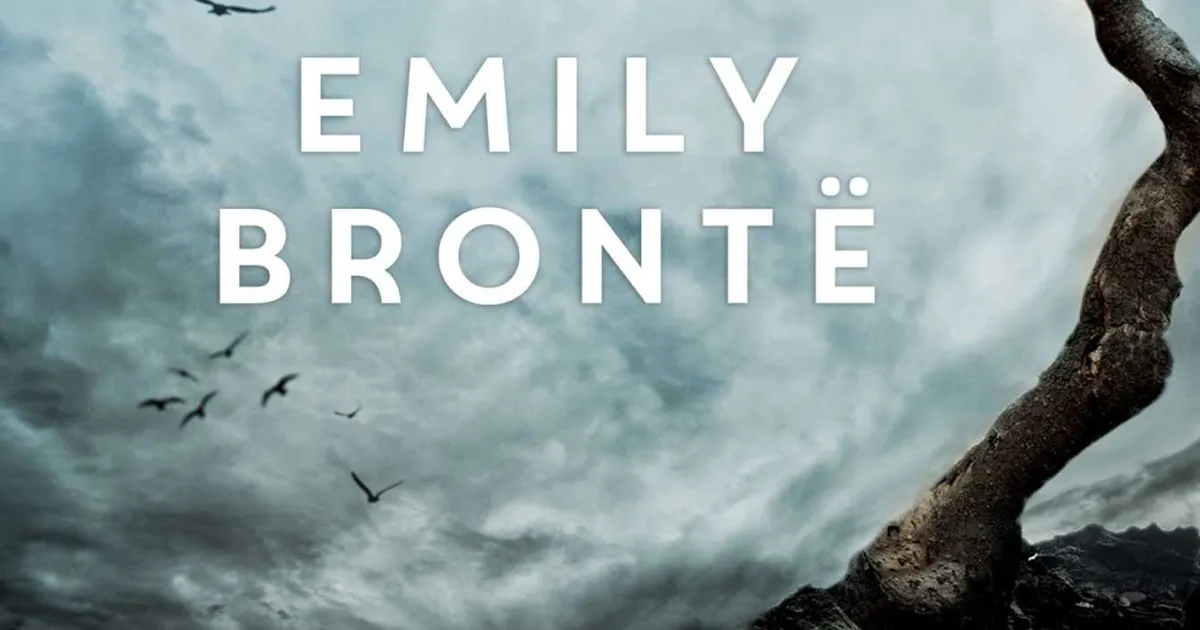
The story follows Heathcliff and Catherine Earnshaw’s intense bond amid family feuds and social divides. Readers love its emotional depth and moody atmosphere. This guide breaks it down for beginners, covering plot, themes, characters, and more to help you grasp why Wuthering Heights endures.
Emily Brontë and Publication History
Who Was Emily Brontë?
Emily Brontë lived from 1818 to 1848 in a remote Yorkshire parsonage. She wrote Wuthering Heights as her only novel, using the pseudonym Ellis Bell to navigate Victorian gender biases. Her sisters Charlotte and Anne also published famous works, but Emily’s stands out for its raw intensity.
Brontë drew from local moors and family dynamics for inspiration. She died young at 30, shortly after the book’s release, leaving a lasting legacy in Gothic and Romantic literature.
Publication Context
Wuthering Heights debuted in 1847 alongside Anne’s Agnes Grey. Initial reviews called it coarse and wild, shocking polite readers. Charlotte edited a second edition posthumously, softening some perceptions. Today, scholars hail it as a masterpiece for defying norms.
The novel reflects Victorian tensions: class struggles, gender limits, and industrialization’s clash with nature. Brontë’s innovative style set it apart from gentler contemporaries like Jane Austen.
Plot Overview
Core Storyline
Mr. Lockwood rents Thrushcross Grange and visits stormy Wuthering Heights, home to brooding Heathcliff. A ghostly vision sparks Nelly Dean’s tale of past events. Heathcliff, an orphan adopted by Mr. Earnshaw, bonds deeply with wild Catherine Earnshaw.
Catherine marries refined Edgar Linton for status, shattering Heathcliff. He vanishes, returns wealthy, and unleashes revenge on Earnshaws and Lintons across generations. Young Cathy and Hareton eventually heal old wounds.
Narrative Structure
The frame narrative layers Lockwood’s diary with Nelly’s oral account, plus letters and diaries. This creates unreliable views, forcing readers to piece together truth. Time jumps span 30 years, building mystery.
Key Themes in Wuthering Heights
Love and Passion
Catherine declares, “I am Heathcliff,” capturing obsessive love beyond reason. Their bond defies social rules, blending ecstasy and torment. Brontë shows passion as elemental force, not tame romance.
Revenge and Its Cost
Heathcliff’s vengeance destroys lives, including his own. He degrades Hindley, torments Isabella, and manipulates marriages. Yet revenge hollows him, highlighting cycles of pain.
Social Class Barriers
Earnshaws represent rough gentry; Lintons, polished elite. Heathcliff’s rise exposes class hypocrisy. Brontë critiques how status warps relationships and humanity.
Nature and the Supernatural
Moors mirror characters’ turmoil—wild, isolating, eternal. Ghosts like Catherine’s spirit blur life and death, adding Gothic chills. Nature acts as character, driving plot.
Character Analysis
Heathcliff: Byronic Anti-Hero
Heathcliff evolves from loving boy to vengeful tyrant. Abused by Hindley, fueled by Catherine’s rejection, he embodies rage and charisma. Readers debate if he’s villain or victim.
Catherine Earnshaw: Wild Spirit
Catherine craves freedom but chooses security. Her split soul—”one half myself”—reflects internal conflict. Her death haunts the narrative, fueling supernatural elements.
Supporting Characters
-
Edgar Linton: Gentle, civilized contrast to Heathcliff.
-
Hindley Earnshaw: Jealous brother whose ruin starts the cycle.
-
Nelly Dean: Practical housekeeper, key narrator.
-
Hareton and Young Cathy: Redeem hope through love and education.
Narrative Techniques
Frame Storytelling
Lockwood’s outsider view frames Nelly’s insider tale. Multiple voices reveal biases—Nelly moralizes, Lockwood romanticizes. This builds suspense and questions reliability.
Symbolism Breakdown
| Feature | Description | Benefit to Reader | Example from Novel |
|---|---|---|---|
| The Moors | Vast, wild Yorkshire landscape | Mirrors emotional chaos | Characters wander lost, reflecting turmoil |
| Storms | Violent weather at key moments | Heightens Gothic tension | Catherine’s death night brings howling gale |
| Ghosts | Spectral appearances of Catherine | Blurs reality, adds supernatural | Lockwood sees her hand at window |
| Houses | Wuthering Heights (wild), Thrushcross (refined) | Contrasts lifestyles and values | Heights decays with Heathcliff’s rage |
| Names | Repeated Catherine, Heathcliff echoes | Shows inescapable legacy | Young Cathy inherits mother’s name |
This table helps track symbols for deeper analysis.
Critical Reception and Legacy
Early Reactions
Critics in 1847 found Wuthering Heights brutal and unladylike. Charlotte defended Emily’s genius. By the 20th century, it gained acclaim for psychological depth.
Modern Interpretations
Feminists see Catherine’s rebellion; postcolonials view Heathcliff’s “otherness.” It influences Kate Bush’s hit song and films like 1939’s with Laurence Olivier.
Adaptations Overview
Over 10 major films, plus TV series and operas. 1992 version stars Ralph Fiennes as Heathcliff. Each highlights different angles—romance or horror.
Statistics on Wuthering Heights Popularity
-
Over 10 million copies sold worldwide since 1847.
-
Featured in 75% of top university Gothic lit syllabi (literary surveys).
-
Goodreads ratings average 3.88/5 from 1.4M+ reviews.
-
Searches for “Wuthering Heights summary” spike 40% in fall reading seasons.
-
250+ scholarly articles published yearly on Brontë works (JSTOR trends).
These figures show its enduring draw among students and fans.
Pros and Cons of Reading Wuthering Heights
Pros
-
Gripping emotional intensity pulls you in.
-
Innovative structure rewards close reading.
-
Timeless themes spark personal reflection.
-
Rich language paints vivid moors.
Cons
-
Violence and cruelty shock modern readers.
-
Complex narration confuses beginners.
-
Bleak tone lacks uplift until end.
-
Dialect slows initial pace.
Balanced view: perfect for those craving depth, challenging for casual reads.
Practical Tips for Beginners
Follow these steps to enjoy Wuthering Heights:
-
Skim character list first—names repeat across generations.
-
Read in 20-30 page chunks to track narrators.
-
Note weather and house descriptions as mood clues.
-
Journal reactions to Heathcliff—hero or monster?
-
Pair with a modern summary for first pass.
-
Track motifs: fire (passion), wind (chaos), ghosts (unresolved past).
-
Discuss with a book club for fresh insights.
Trending FAQs
What Is Wuthering Heights About?
Dark tale of Heathcliff and Catherine’s doomed love, revenge, and redemption on wild moors.
Who Are the Main Characters?
Heathcliff (anti-hero), Catherine (wild protagonist), Edgar (rival), Nelly (narrator).
Is Wuthering Heights a Love Story?
More tragedy of obsession and class than romance—passion destroys as much as it binds.
How Does the Narrative Structure Work?
Frame story: Lockwood hears Nelly’s account, with diaries and letters for layers.
Why Is Heathcliff Controversial?
Byronic hero—magnetic yet cruel; readers split on sympathy.
Common Beginner Mistakes?
Confusing characters (use family tree); rushing nonlinear timeline; expecting happy romance.
Best Reading Tips?
Annotate narrators; visualize moors; reread key scenes like window ghosting.
Future Trends in Brontë Studies?
Digital editions with interactive maps; AI analyses of dialect; eco-criticism on moors.
Is It Worth Reading Today?
Yes—timeless on human extremes, perfect for deep dives.
Best Adaptations?
1939 film for classics; Kate Bush song for cultural impact.
How Does Setting Shape the Story?
Moors isolate and intensify conflicts, symbolizing freedom and fury.
Study Guide Recommendations?
SparkNotes for basics; Norton Critical Edition for essays.
Internal and External Linking Suggestions
Internal Links:
-
Emily Brontë Biography
-
Brontë Sisters Novels Compared
-
Gothic Literature Essentials
-
Victorian Revenge Themes
External Resources:
-
British Library Brontë Exhibit
-
Project Gutenberg Free Text
-
BBC Adaptations Guide
Conclusion
Emily Brontë’s Wuthering Heights masterfully weaves passion, revenge, and nature into a Gothic triumph. Beginners find its depth rewarding with guidance. Dive in to experience literature’s raw power—its moors and morals still resonate.