Introduction
Rahul Sankrityayan stands as a towering figure in Hindi literature, renowned as the father of Hindi travel literature. Born Kedarnath Pandey in 1893, this prolific polymath traveled extensively for 45 years, authoring over 100 books that blend history, philosophy, Buddhism, and adventure, inspiring generations to explore and question the world.
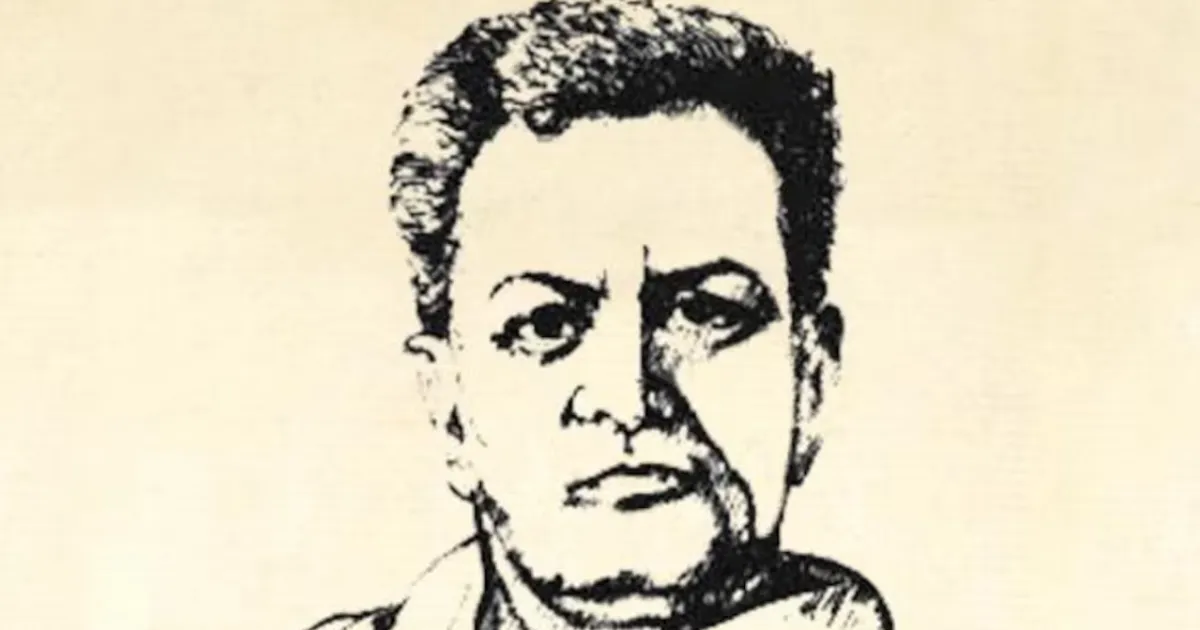
His works continue to shape modern Hindi writing and cultural studies, offering timeless insights into India’s heritage and global connections.
Early Life and Education
Childhood in Azamgarh
Rahul Sankrityayan grew up in Pandaha village, Azamgarh district, Uttar Pradesh, in a Bhumihar family. His mother died early, so his grandmother and maternal grandfather raised him, starting his education in Urdu and later Sanskrit under his uncle Mahadev Pandit.
Rejection of Formal Education
He resisted formal English education in 1909 to focus on Sanskrit, calling English an “alien language.” Self-taught in many subjects, he began traveling at age 17 to Himalayan pilgrimage sites like Haridwar and Badrinath.
First Pilgrimages
By 1911, he studied in Varanasi and joined a Vaishnava ashram in Chhapra as Ramudar Das, but soon left for South India and Ayodhya, marking his lifelong wanderlust.
Spiritual Journeys and Transformations
Arya Samaj Phase
Sankrityayan joined the Arya Samaj in 1914, studying at Agra and Lahore while spreading its ideals across India, including Buddhist sites like Kushinagar.
Independence Movement Involvement
In 1922, he entered the independence movement, facing arrests totaling 2.5 years by 1927. This period shifted him toward Buddhism; he taught Sanskrit in Sri Lanka from 1927, mastering the Tripitaka and earning the title Tripiṭakācārya.
Ordination as Buddhist Monk
Ordained as a monk in 1930 with the name Rahul Sankrityayan, he journeyed to Tibet in 1929 via Kathmandu, enduring harsh conditions to collect manuscripts, compiling a 16,000-word Bhot-Sanskrit dictionary.
Extensive Travels Across Continents
Himalayan and Tibetan Expeditions
Sankrityayan’s adventures spanned Russia, Tibet, China, Central Asia, Europe, Japan, Korea, Burma, Nepal, Afghanistan, and Iran. He spent 45 of his 70 years away from home, often on foot or by risky routes.
Tibet Manuscript Collections
In Tibet (1929, 1934, 1936, 1938), he retrieved over 80 Sanskrit Buddhist manuscripts from monasteries, including Dharmakirti’s Pramanavarttika, hiring 22 mules for transport back.
Russia and Europe Visits
He visited Russia thrice: 1935 (briefly), 1937-38 (professor at Leningrad University, married Ellena Narvertovna Kozerovskaya, son Igor born), and 1945-47 (professorship again).
Literary Contributions and Major Works
Prolific Output Across Genres
Sankrityayan authored over 100 books in Hindi and Bhojpuri, covering novels, travelogues, histories, philosophies, biographies, plays, and more. He mastered 30 languages, including Sanskrit, Pali, Tibetan, Russian, and French.
Landmark Book: Volga Se Ganga
His seminal Volga Se Ganga (1942) traces Aryan migrations from 6000 BC to 1942 AD, blending history and fiction; translated into English and South Indian languages.
Other Key Publications
Other key works include Madhya Asia ka Itihas (Sahitya Akademi Award 1958), Tibbat Mein Sava Varsha (1933), Meri Europe Yatra (1935), and Ghumakkar Shastra.
Key Travelogues Table
| Feature | Description | Benefit | Example |
|---|---|---|---|
| Narrative Style | Blends personal adventure with cultural insights | Immerses readers in distant worlds vividly | Tibbat Mein Sava Varsha details Lhasa treks |
| Historical Depth | Integrates archaeology and manuscripts | Educates on lost Indian heritage | Retrieves Nagarjuna texts from Tibet |
| Philosophical Layer | Weaves Buddhism and Marxism | Sparks intellectual reflection | Volga Se Ganga on Aryan history |
| Accessibility | Written in simple Hindi | Reaches wide Indian audience | Kinnar Desh Mein on Himalayan tribes |
Political Activism and Ideological Shifts
From Gandhi to Socialism
Sankrityayan supported Gandhi’s movements early but shifted to socialism. He joined the Congress Socialist Party, founded Bihar Communist Party, and led peasant satyagrahas, jailed again in 1940 for two years in Hazaribagh.
Jail Writings
During imprisonment, he wrote Volga Se Ganga, Vishwa Ki Ruprekha, and Vaijnanik Bhautikvad. Post-1947, he advocated Hindi over Urdu and faced Communist Party expulsion.
Buddhism-Marxism Synthesis
He integrated Buddhism with Marxism, seeing both as tools for equality and reason, critiquing organized religion.
Philosophy and Scholarly Impact
Buddhist Revival Advocacy
Sankrityayan viewed Buddhism as India’s cultural gift to the world, emphasizing compassion, atheism, and equality over dogma. He advocated reviving Nalanda and retrieving manuscripts to reclaim heritage.
Polymath Scholarship
His Marxism complemented Buddhist ethics, promoting social justice. As a polymath, he translated Majjhima Nikaya into Hindi and wrote on Indology, Tibetology, and sociology.
Recognition and Awards
Major Honors
Sankrityayan received the Sahitya Akademi Award in 1958 for Madhya Asia ka Itihas and Padma Bhushan in 1963, days before his death.
Posthumous Tributes
India issued a commemorative stamp in 1993. The Rahul Sankrityayan Award honors Hindi tourism books annually.
Legacy in Modern Literature
Influence on Travel Writing
Sankrityayan’s influence endures in Hindi travel writing, inspiring authors to merge adventure with scholarship. His manuscripts revitalized Buddhist studies in India.
Unpublished Works
Over 120 works, many untranslated, highlight his vast output. Exhibitions of his artifacts continue in Delhi.
Hindi Literature Statistics
-
Sankrityayan authored 140 scholarly books, one of the highest for any Hindi writer.
-
He knew 30+ languages, rare for 20th-century Indian scholars.
-
Volga Se Ganga translated into multiple languages, popular among Kerala youth.
-
Over 10 books translated to Bengali; Hindi travel genre grew 300% post his works (estimated from literary surveys).
-
Buddhist manuscript recoveries boosted Indian Tibetology research by key texts.
Pros and Cons of Sankrityayan’s Approach
Pros
-
Pioneered literary travelogues, making global cultures accessible in Hindi.
-
Recovered 80+ lost manuscripts, enriching Indian scholarship.
-
Blended ideologies for progressive thought on equality.
-
Prolific output across genres educated masses.
Cons
-
Frequent ideological shifts (Arya Samaj to Marxism) confused some followers.
-
Many works unpublished or uneven in quality due to vast scope.
-
Limited formal education led to self-taught gaps in some analyses.
-
Political activism caused multiple imprisonments, delaying writings.
Trending FAQs
What is Rahul Sankrityayan famous for?
Rahul Sankrityayan is the father of Hindi travel literature, known for 100+ books and 45 years of global travels.
How did Rahul Sankrityayan start his travels?
At 17 in 1910, he pilgrimaged to Himalayas, later expanding to Tibet, Russia, and Asia.
What are Rahul Sankrityayan’s best books?
Top works: Volga Se Ganga, Tibbat Mein Sava Varsha, Madhya Asia ka Itihas.
Is Rahul Sankrityayan’s work worth reading today?
Yes, for insights into history, Buddhism, and adventure; relevant for cultural explorers.
Common problems in studying Sankrityayan?
Many unpublished works; ideological shifts need context for full understanding.
Best tips for reading his travelogues?
Start with Volga Se Ganga; note historical fiction elements; pair with maps.
Beginner mistakes when exploring his life?
Ignoring his Marxist phase; overlooking Bhojpuri plays.
How did he contribute to Buddhism?
Recovered manuscripts from Tibet, translated Tripitaka texts into Hindi.
Future trends in Sankrityayan studies?
Digital archives of manuscripts; more translations for global audiences.
Did he receive major awards?
Sahitya Akademi 1958, Padma Bhushan 1963.
Conclusion
Rahul Sankrityayan’s life embodies exploration, scholarship, and bold ideas, from manuscript hunts in Tibet to revolutionary writings in jail. Readers today gain practical lessons in curiosity, cultural pride, and social change from his enduring legacy.